From Algorithms to Assets: Intellectual Property in the Age of AI
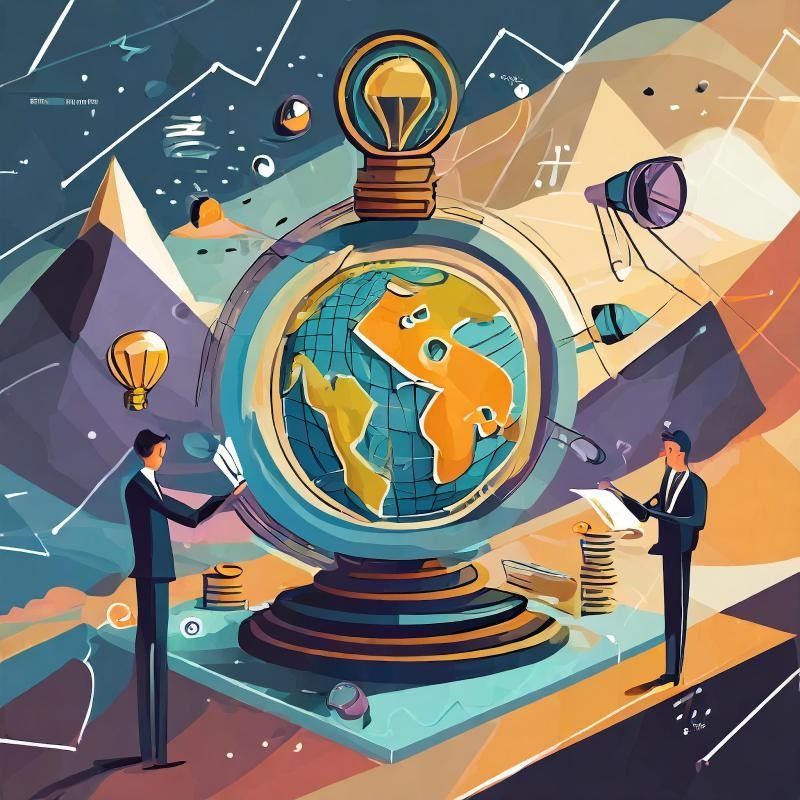
The integration of artificial intelligence (AI) into various industries is not just transforming operational efficiencies; it's also raising critical questions around intellectual property (IP) rights and how business can leverage the algorithm to create new assets.
As AI continues to evolve, its adoption across industries presents unique opportunities not only in terms of managing value for creations by also creating assets from the output of Intellectual Property which AI can create.
This week let's explore the intersection of AI and IP in the following two industries:
1. Legal Profession: AI and IP Rights
A
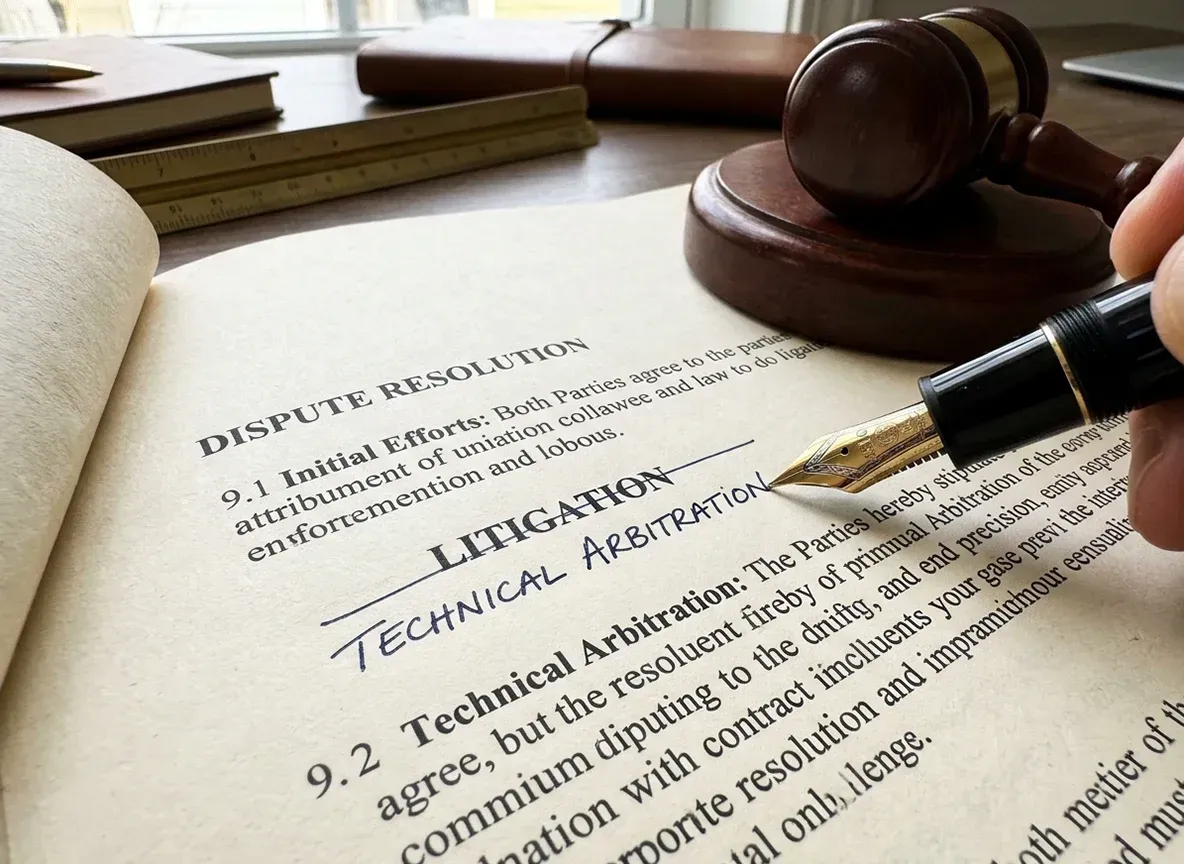
World Commerce & Contracting report handed down yesterday elaborated that the contracting is moving from revolution to evolution. This highlights that we are at a crossroads in the way we form and manage contracts, with Artificial Intelligence (AI) poised to intervene at every stage of the contracting lifecycle.
While disruption has begun for some, the pace of adoption is slow for most, and resistance remains widespread. The report emphasizes the need to confront these barriers head-on to unleash the transformative powers of AI in contracting.
In the legal profession, AI's capability to automate document analysis and legal research introduces complexities in IP management. While AI can enhance the precision and efficiency of legal operations including assisting to draft and execute contracts, it also prompting an entire reconsideration of copyright laws, especially when AI systems create unique legal documents or interpretations.
The question of who holds the IP rights to AI-generated content—whether it's the developer, the AI system, or the user—becomes paramount. Furthermore, the use of AI in predictive legal analytics challenges traditional notions of confidentiality and trade secret protections, urging a redefinition of legal frameworks to accommodate these technological advancements.
2. Media Industry: Content Creation and Copyright
Much like Napster foreshadowed the disruption of the music industry, perhaps A.I is poised for major disruption to content creation industries and implicitly Intellectual Property and ownerships of the assets it creates.
As AI systems generate articles, reports, and even creative works, determining the rightful owner of IP rights becomes increasingly complex. Media companies leveraging AI for content curation and distribution must consider the copyright status of AI-generated works and the implications for traditional content creators. The challenge lies in establishing IP frameworks that recognize the contributions of AI while ensuring fair compensation and protection for human creators.
Further description was felt this week with the launch of OpenAI's new Sora program, which has sparked concerns about further potential job displacement.
Tyler Perry, a prominent Hollywood producer, has put a planned $800 million expansion of his Atlanta studio on hold due to the implications of AI technology like Sora.
Tyler expressed shock at the capabilities of AI to generate realistic locations and scenes, which could eliminate the need for physical sets and locations, thereby impacting various roles in the industry, from actors to technicians. Perry's concerns highlight the broader industry anxiety about how AI will reshape film and TV production.
Across just two industries, the adoption of AI will challenge the boundaries of intellectual property laws. Some key considerations include:
- AI as a Creator: Establishing clear guidelines on IP rights for AI-generated works.
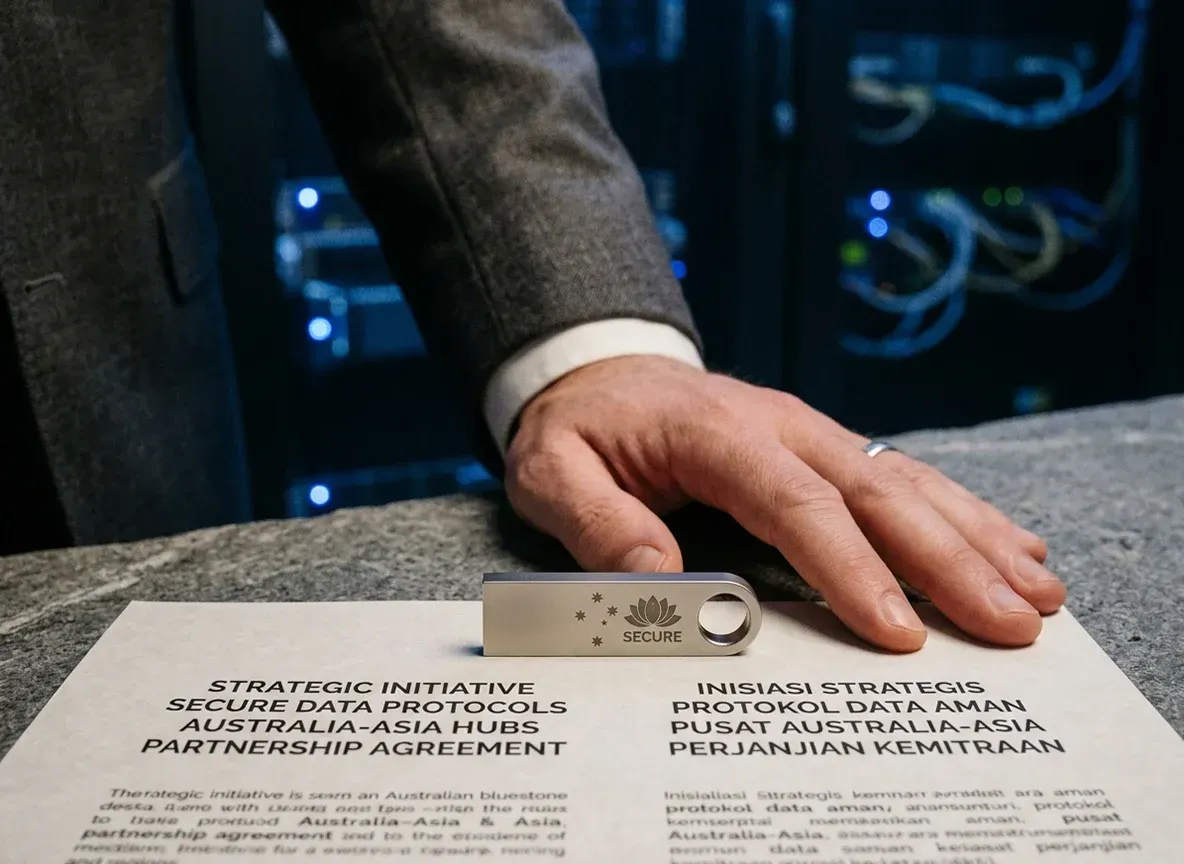
- Data Protection: Implementing robust measures to protect the data that AI systems use, ensuring privacy and compliance with global regulations.
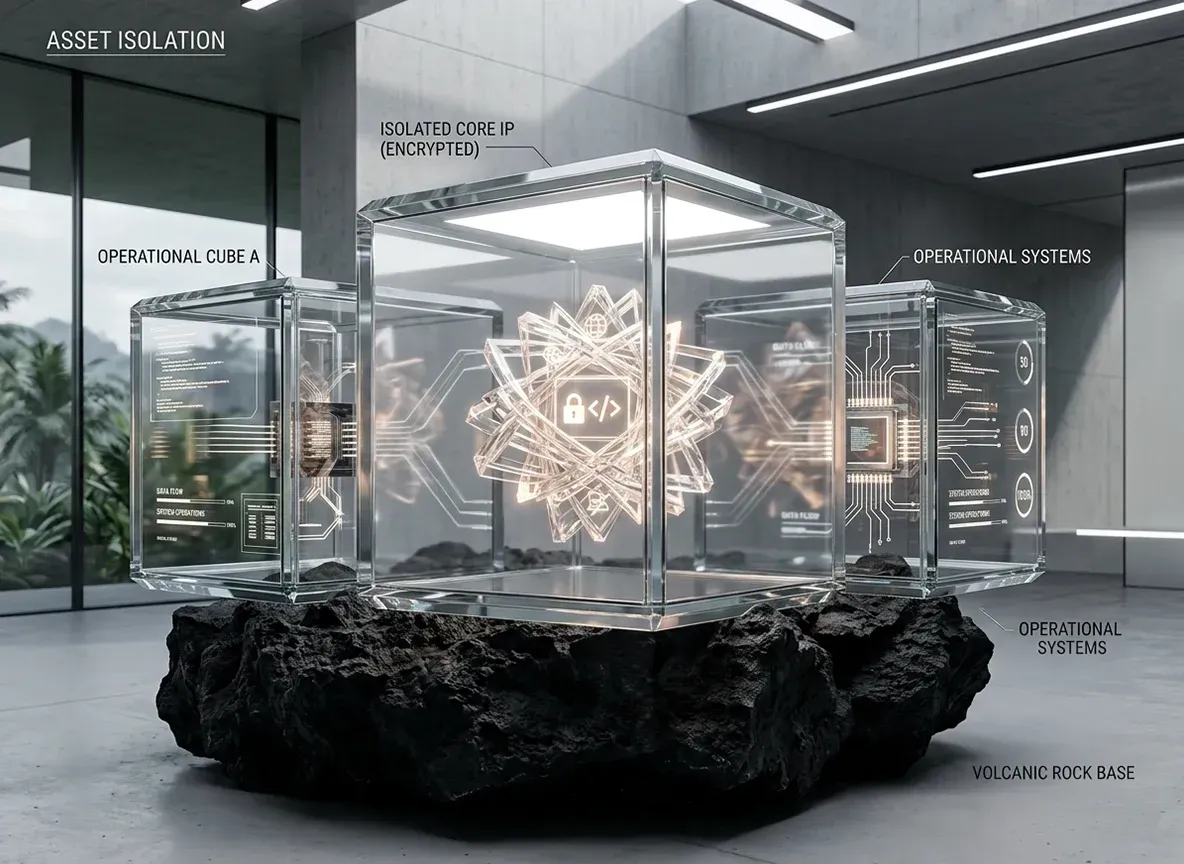
- Trade Secrets: Safeguarding trade secret recognizing them as valuable IP assets.
- Global Harmonization: Working towards international cooperation to create a cohesive framework for AI and IP rights, facilitating cross-border innovation.
As various sectors adapt to the digital age, a balanced approach to IP management—one that fosters innovation while protecting the rights of creators and consumers—is crucial. Navigating the IP implications of AI adoption will require collaborative efforts among policymakers, industry leaders, and legal professionals.
As we venture further into the age of artificial intelligence, the careful consideration of intellectual property rights will be paramount in shaping the future of industries.
It may be that the creation of authentic human authorship becomes a premium in the era of AI and forces us to question our own humanity.
A task which art has been performing for a very long time.